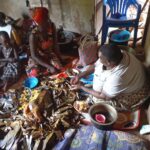
In the heart of Lake Kivu lies Idjwi Island, where smallholder farmers are safeguarding their health, land, and crops using local knowledge passed down through generations. A recent field survey conducted in the Democratic Republic of Congo (DRC) highlights how women and farmers in Idjwi are using natural pest control methods on staple crops and coffee plants, without relying on synthetic pesticides.
This approach is not just about avoiding chemicals—it’s about food safety, environmental care, and protecting rural livelihoods.
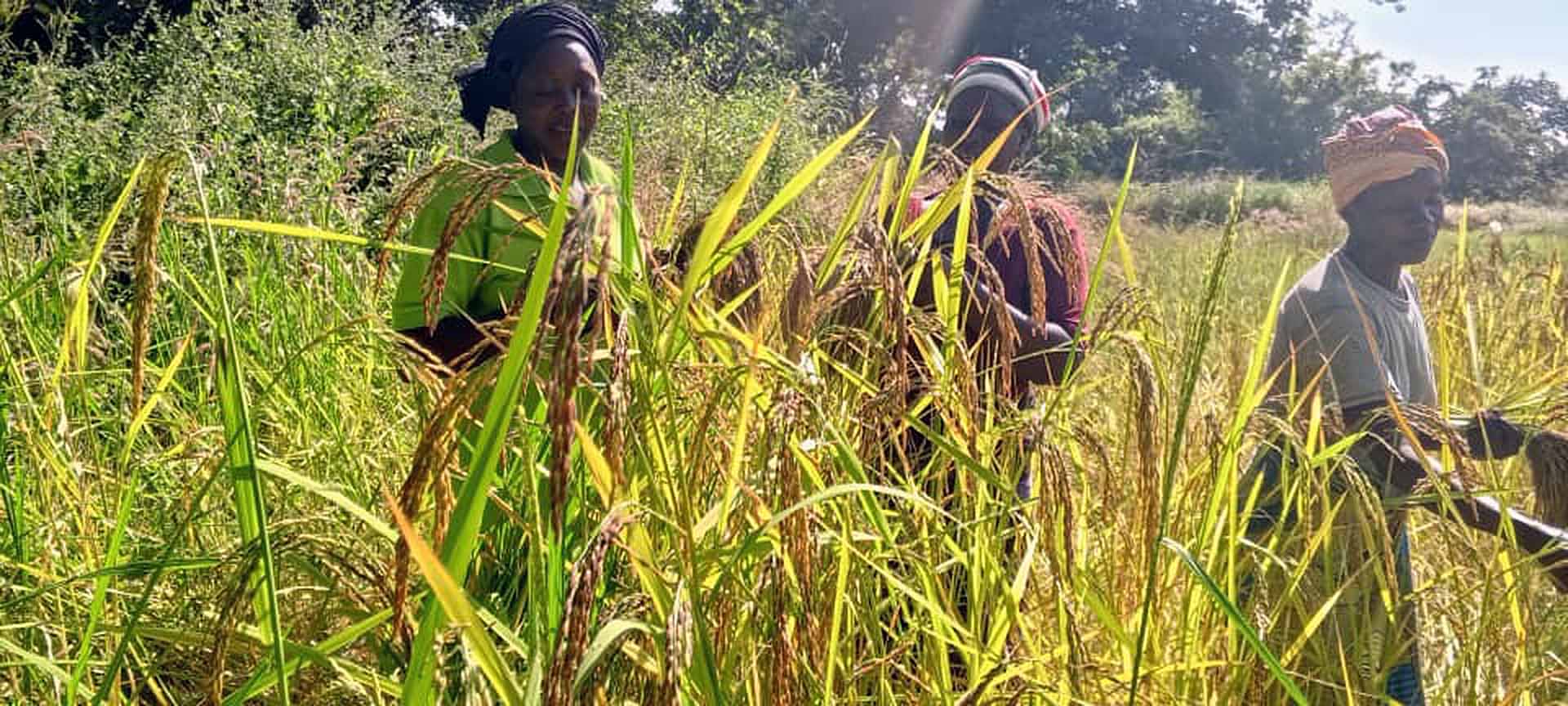
Natural Products Used in Food Crops
Farmers in Idjwi rely on a variety of natural solutions, often made from ingredients readily available in their homes and gardens. Here’s a glimpse of the practices used across common crops:
Maize
- Wood ash (Majivu): Sprinkled around the base of plants to repel caterpillars.
- Fermented tobacco (Luvuta): Soaked for 24 hours, then sprayed to combat stem borers.
- Chili + garlic + soap mix (Maji ya moto): Used as a foliar insecticide.
Beans
- Ash: Applied directly to leaves to deter storage beetles.
- Neem leaves: Crushed and steeped in water for 24 hours as an anti-insect spray.
- Fermented urine: Used as both a fertilizer and a pest repellent.
Groundnuts & Soy
- Ash and ground chili: Used to repel insects and fungi.
Tomatoes, Eggplants, Peppers
- Garlic + soap: Crushed and diluted in water for spraying against aphids and caterpillars.
- Chili pepper extract: Sprayed to prevent fruit flies and leaf pests.
Leafy Greens (Amaranth, Cabbage, Spinach)
- Ash + soap solution: Sprayed or sprinkled to manage insect pressure.
- Fermented urine: Foliar-fed to nourish and protect plants.
Natural Pest Control for Coffee Trees
For coffee growers, more complex botanical solutions are being used to protect high-value crops:
- Tephrosia leaves (Mulukuluku): Crushed with chili and water as a general insecticide.
- Mixed botanical formula: A blend of papaya leaves, tetradenia, onions, garlic, and charcoal used to deter multiple pests.
- Datura (Kipenye): Juice or seed powder used against rodents and pests.
- Pyrethrum flowers: Dried and powdered to kill a wide range of coffee pests.
- Local alcohol (Kasigsi): Used as a scent trap under coffee trees to attract and immobilize insects.
- Muravumba plant: Applied to fight stem borers.
Cautions and Considerations
While these natural remedies are widely accessible, their effectiveness is short-lived. Most require reapplication every 2–3 days and must be used early in the morning or cool conditions. Importantly, communities have developed non-toxic, sustainable methods that minimize harm to the environment, animals, and people.
Farmers also noted that post-harvest pests, particularly in beans, remain a problem. Wood ash is frequently used in storage, and crop rotation and clean seed practices are encouraged to improve resilience.
Why It Matters
These local, low-cost approaches show that agroecological farming is alive and thriving in parts of DRC. Amid rising concerns over chemical pesticide use and their health impacts, Idjwi’s farmers offer a model of resilience rooted in tradition, community knowledge, and resourcefulness.
By documenting and supporting these efforts, we can amplify the voices of women farmers and grassroots leaders who are proving every day that a pesticide-free future is not only possible—it’s already growing.