“No woman, no seeds and no food.”
These were the opening remarks of Elizabeth Mpofu, Director of the African Women’s Collaborative for Healthy Food Systems, at the recently concluded African Union Seed Investment Summit that took place from 5 – 7th October 2026, in Eswatini.
To relay her message, Mpofu picked on an age old African tradition used to pass knowledge down from generation to generation – singing. As she sang the phrase, she underlined the central role that women play in managing and safeguarding seed systems and food sovereignty.
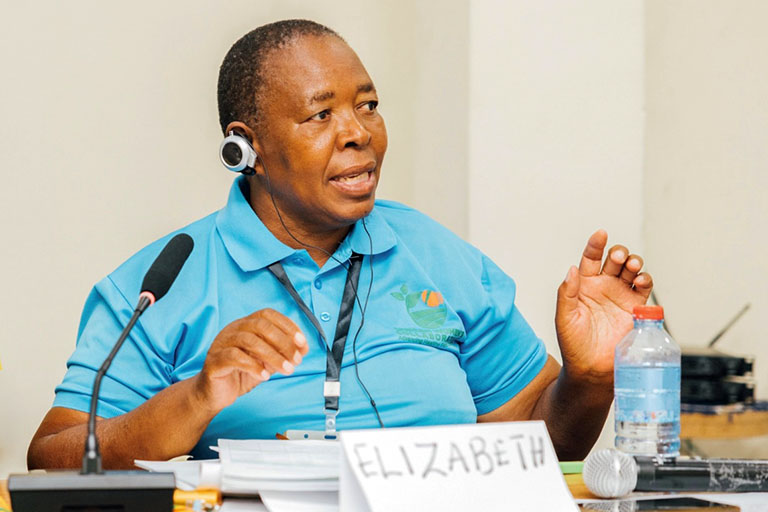
Mpofu told the Summit that women farmers are at the centre of farmer-managed seed systems (FMSS), arguing that their knowledge and work in selecting, saving and sharing seed were critical to preserving agricultural biodiversity and strengthening food systems. She also emphasized the fact that FMSS are not only about preserving seed but also about preserving knowledge.
“Women are at the centre of this process,” Mpofu said, pointing to their roles in crop production, seed selection, food preparation and household nutrition. She highlighted the experience of 80 women farmers in Shashe, Masvingo District, Zimbabwe, who have been reviving traditional seed-saving practices and establishing household seed banks. The women began working collectively in 2007 to identify suitable local varieties, select strong plants for seed production, dry and store seed properly and ensure that seed was available for the following planting season.
This approach has helped reduce the women’s dependence on purchased seed while giving farming households greater control over what they plant.
“Most importantly we have realized that we are no longer using money to purchase seed since using our own traditional seeds which are drought resistant and can do very well within our area,” Mpofu said.
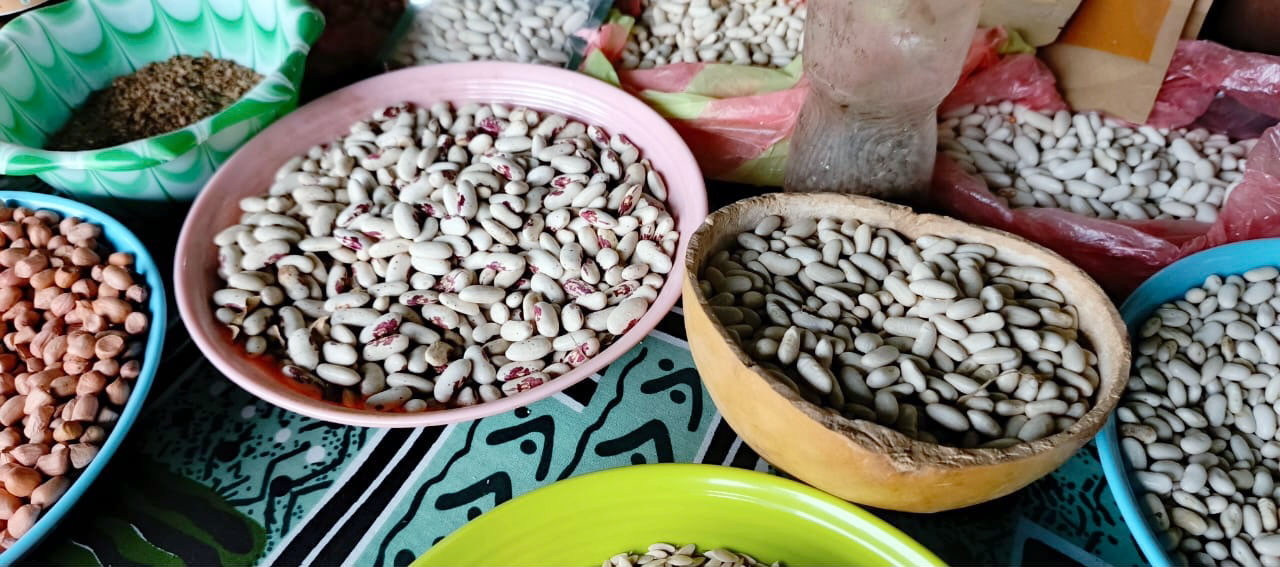
Today, the women have also moved away from dependence on cultivating maize to diversifying their gardens. Now they plant a range of food crops, including sorghum, finger millet, pearl millet, groundnuts, Bambara nuts, different varieties of beans, local maize, cowpeas and sunflower. These provide better nutrition and plant resilience during ever changing weather patterns.
In addition, women farmers are sharing knowledge on seed selection and crop performance while passing indigenous knowledge from one generation to another and strengthening agroecological practices that promote healthy soils, biodiversity and climate resilience.
Mpofu said greater control over seed is also giving women a stronger voice in decisions about what is planted, how land is managed and what food reaches the family table.
Zimbabwean women have extended their work beyond their farms by introducing traditional foods into school feeding programmes in three primary schools.
Under the programme, the women collect traditional food varieties, prepare them and serve them to pupils, with traditional foods served twice a week during a three-week period each term. This has helped change children’s attitudes towards traditional foods, with some pupils asking their parents to prepare foods they had tasted at school.
She said the women are also packaging their seed and processed products to improve their competitiveness in local markets, creating opportunities for enterprise and income generation.
Beyond food and seed security, Mpofu said the women are building financial resilience through group savings and credit schemes, allowing members to access funds for farming activities and household needs.
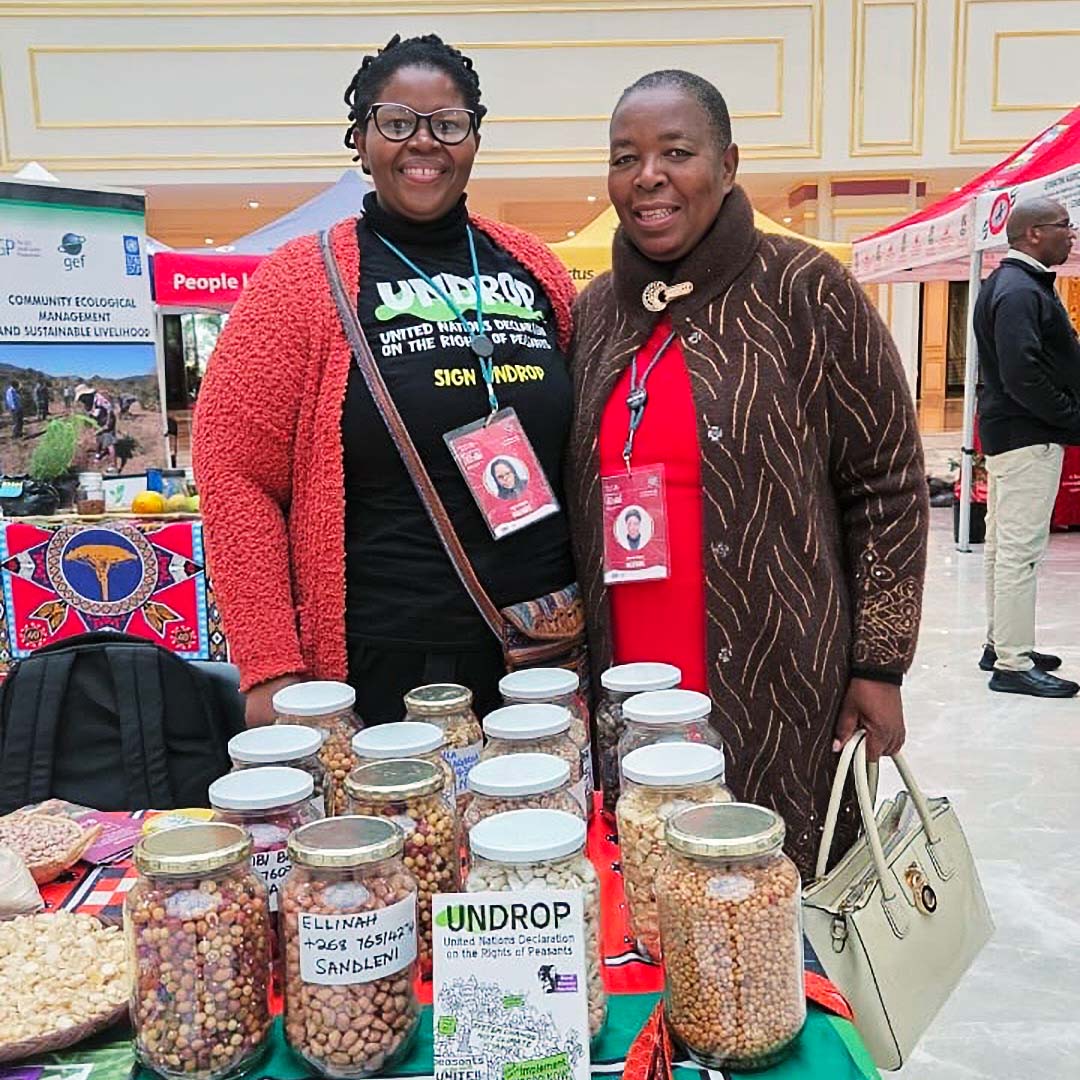
Women are promoting traditional seeds and foods through local seed and food fairs and participating in the annual National Good Seed and Food Festivals organised by PELUM Zimbabwe and partners.
Mpofu called for greater recognition and support for farmer-managed seed systems, saying governments and policymakers should protect traditional seed and invest in systems that are competitive, sustainable and attractive to farming communities.
The initiative in Shashe is supported by the Zimbabwe Smallholder Organic Farmers Forum (ZIMSOFF) in partnership with PELUM Zimbabwe.