Rural communities across parts of Africa are relying on traditional farming systems to survive as disruptions in global supply chains continue to affect access to fertiliser, seed, and agricultural inputs.
According to African Women’s Collaborative for Healthy Food Systems Founder and Director Elizabeth Mpofu, small-scale farmers are not waiting for external markets to recover but are instead turning inward to sustain production.
“When global supply chains break down—when fertiliser is delayed, prices spike, or markets stop functioning properly—rural communities do not wait for outside systems to stabilise,” Mpofu said.
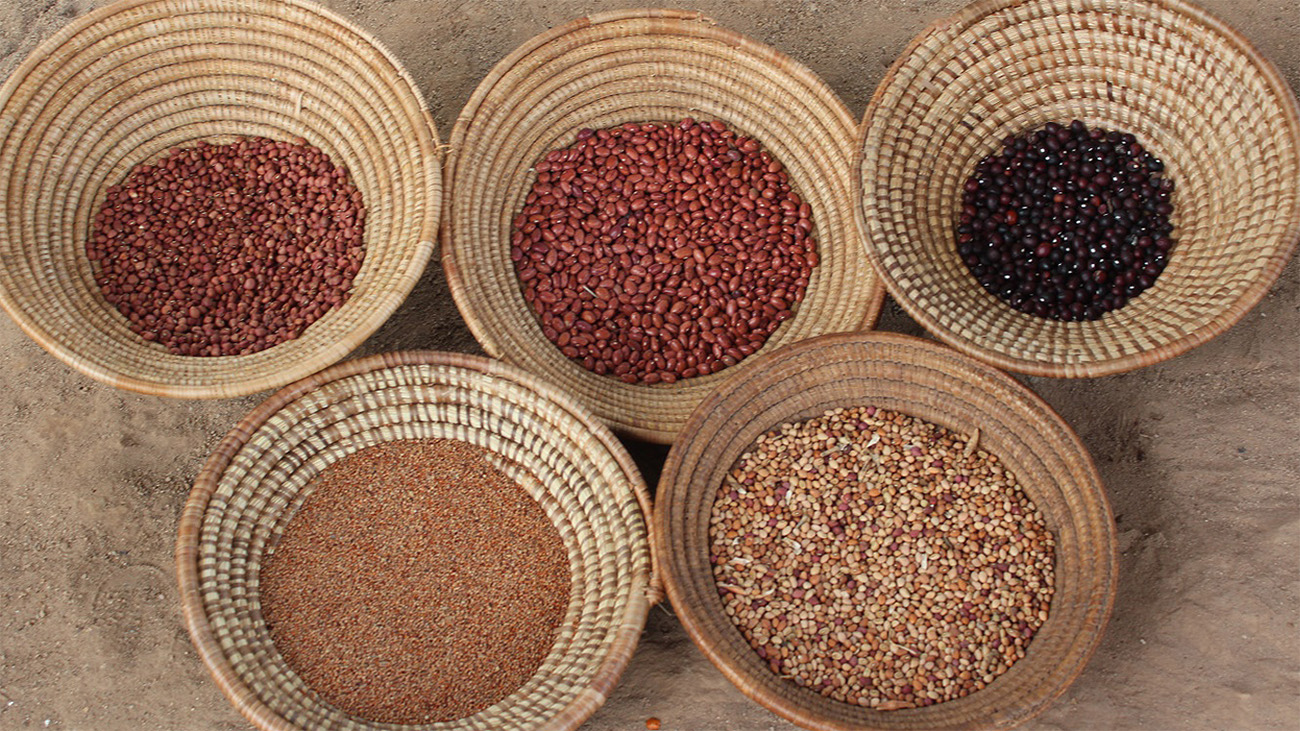
“What sustains them is what has always been closest to them: their own seeds, their knowledge of the soil, and the farming practices built over generations,” she said at the Skoll World Forum in UK on Thursday.
Mpofu explained that in practical terms, farmers are increasingly relying on local seed systems, including seed saved from previous harvests and exchanged among families and neighbours.
“Farmers fall back on mixed cropping rather than single cash crops, on drought-tolerant local varieties, and on knowledge based on lived experience rather than external input schedules,” she said.
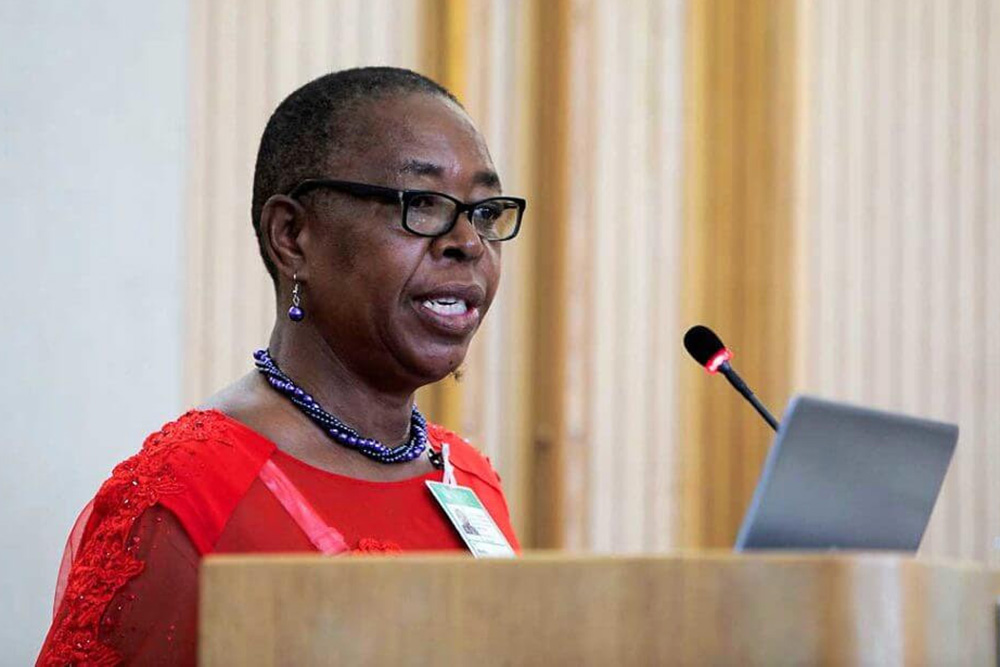
However, she warned that the erosion of traditional knowledge systems is creating new risks for rural households. “You see it first in reduced seed diversity,” Mpofu noted. “Many households are planting the same commercial varieties, which may perform well in good seasons but fail under drought or pest pressure. That increases risk because there are fewer fallback options.”
She also highlighted the decline of community-based support systems that historically helped farmers manage difficult seasons.
“In the past, seed sharing, labour sharing, and collective farming practices helped households cope,” she said.
“When those systems weaken, families become more isolated, and vulnerability increases because each household is managing risk alone,” Mpofu said. The growing dependence on purchased inputs is another concern, particularly for smallholder farmers operating under financial constraints. “Farmers lose control over their production decisions,” Mpofu added. “They become dependent on buying seed and inputs each season, often on credit. If inputs are late or unaffordable, the entire production cycle is disrupted,” she said.
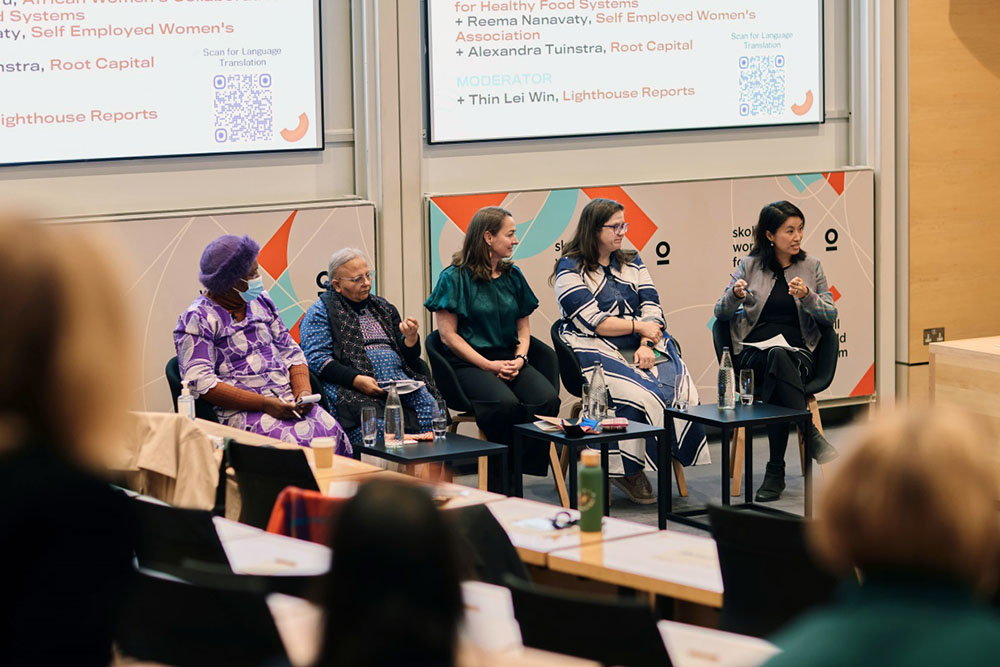
She emphasised that the consequences are immediate and tangible for rural communities. “What is lost is not abstract—it is the everyday ability of rural households to adapt, to share, and to decide for themselves how to survive and produce food under uncertain conditions,” she said.
Mpofu was contributing to a session on: Women Grow Our Future: Regenerative Food Systems for People and Planet