Across Africa, women-led initiatives are transforming food systems from the ground up—one seed, one story, and one struggle at a time. In this quarter’s spotlight, the African Women’s Collaborative for Healthy Food Systems shares inspiring local updates from Uganda, the Democratic Republic of the Congo (DRC), and Eswatini, where communities are advancing agroecology, food sovereignty, and land rights under complex social and structural conditions.
Uganda: From Land to Voice, Women Lead the Way
In Uganda, the Collaborative’s local chapter continues to demonstrate powerful community leadership. Through its involvement in the Nutritional African Foods Initiative (NAFI), the team is making progress on critical nutrition research and awareness-building.
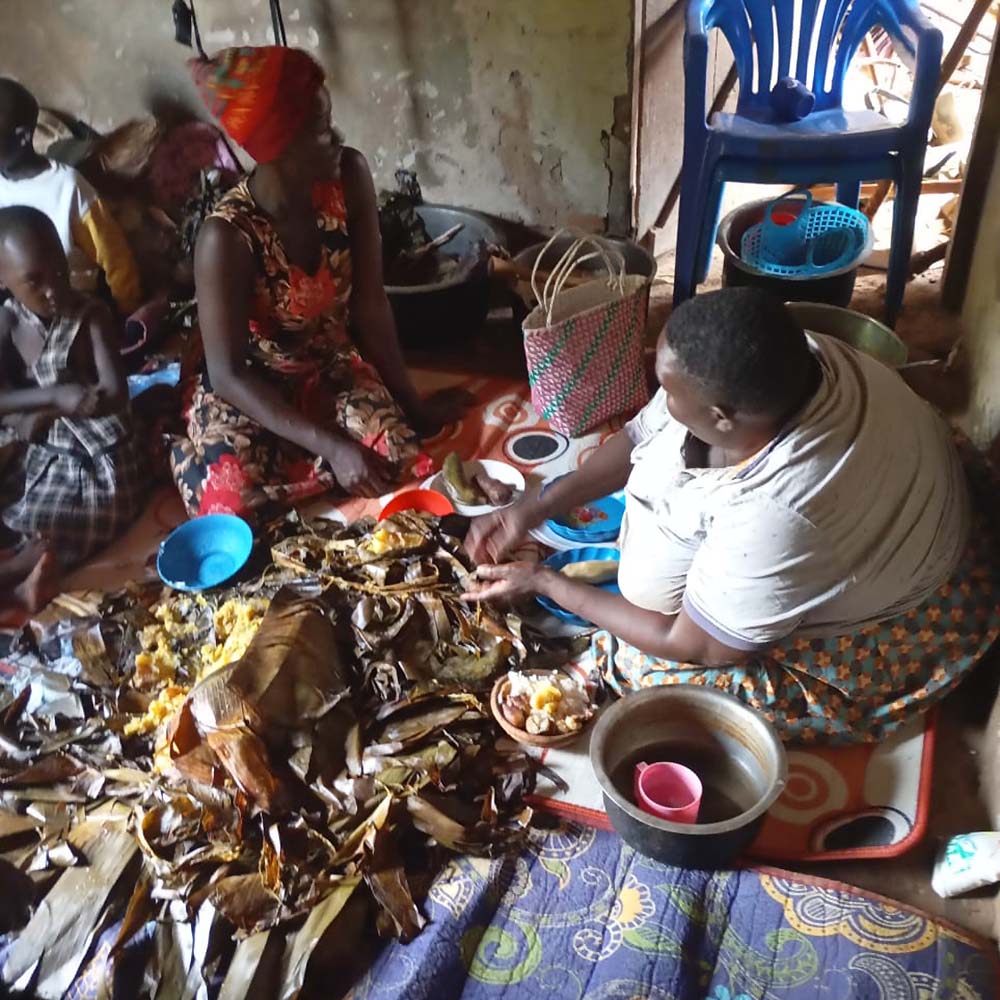
Women’s Land Rights: A Win for Equity
A standout achievement this quarter is the success of a gender-action learning campaign, which resulted in more than ten women securing land titles in their own names. This victory isn’t just legal—it’s symbolic. A newly established Land Rights Support Center is now offering legal advice via voice recordings, making justice more accessible to rural women.
The shift is cultural, too: communities are reporting increased male support for women’s land ownership—an important signal of sustainable change.
Youth and Storytelling
Meanwhile, school-based agriculture clubs are thriving. Integrating poetry, kitchen gardens, and journalism, these clubs are engaging youth across Uganda and beyond. Over 100 young people across Uganda, Kenya, and Tanzania have completed training in agricultural journalism, amplifying community voices through storytelling.
The Power of Simple Solutions
Despite progress, challenges persist. Many communities lack the resources to process and package local foods. Affordable tools like solar dryers could be game changers. Locally grown, diverse crops need tailored, context-specific value addition solutions—, and donor support could make all the difference.
DRC: Holding the Line on Organic Integrity
In the Democratic Republic of the Congo, Collaborative Steering Committee member and founder of the Rebuild Women’s Hope Cooperative and Foundation, Marcelline Budza, continues her work championing organic agriculture and women’s economic empowerment.
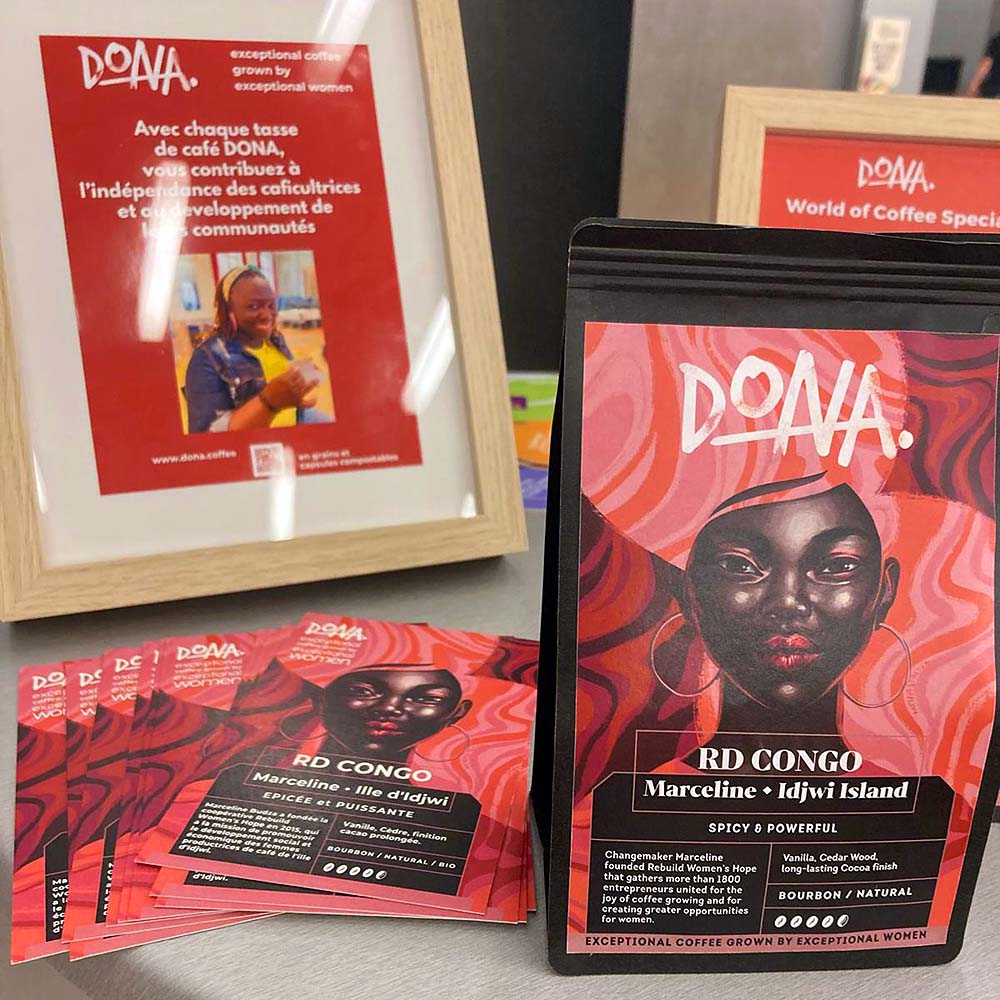
The cooperative focuses on organic coffee farming for export, reaching markets in Europe, the United States, and Japan. Alongside economic empowerment, the organization is actively promoting seed saving, agroecological methods, and community-based training.
Yet this progress faces growing threats. With neighboring regions promoting chemical-intensive agriculture, maintaining organic standards is an uphill battle. Budza’s team remains resilient, advancing both environmental and women’s rights in tandem.
Eswatini: Seeds, Struggles, and Systemic Change
In Eswatini, the Swaziland Rural Women’s Assembly (SRWA) is planting the foundations for long-term food system transformation.
Building Agroecology Infrastructure
SRWA is working to establish a dedicated agroecology center and is expanding a network of community seed banks across 55 communities. These spaces are not just about food—they’re about self-determination, knowledge sharing, and building resilience.
Systemic Barriers
However, Eswatini’s women farmers face formidable structural barriers. The lack of a clear national seed policy, limited land access for women, and tenuous land tenure systems all hinder progress. Despite these challenges, SRWA continues its push for policy reform, local empowerment, and women’s land rights.
Looking Forward
These stories are not isolated—they are interconnected examples of women working to reclaim power over food, land, and knowledge. Whether it’s youth documenting their food heritage in Uganda, organic farmers in DRC resisting industrial agriculture, or grassroots leaders in Eswatini pushing for legal reform, the mission is clear: a just, local, and women-centered food system is not only possible—it’s already growing.