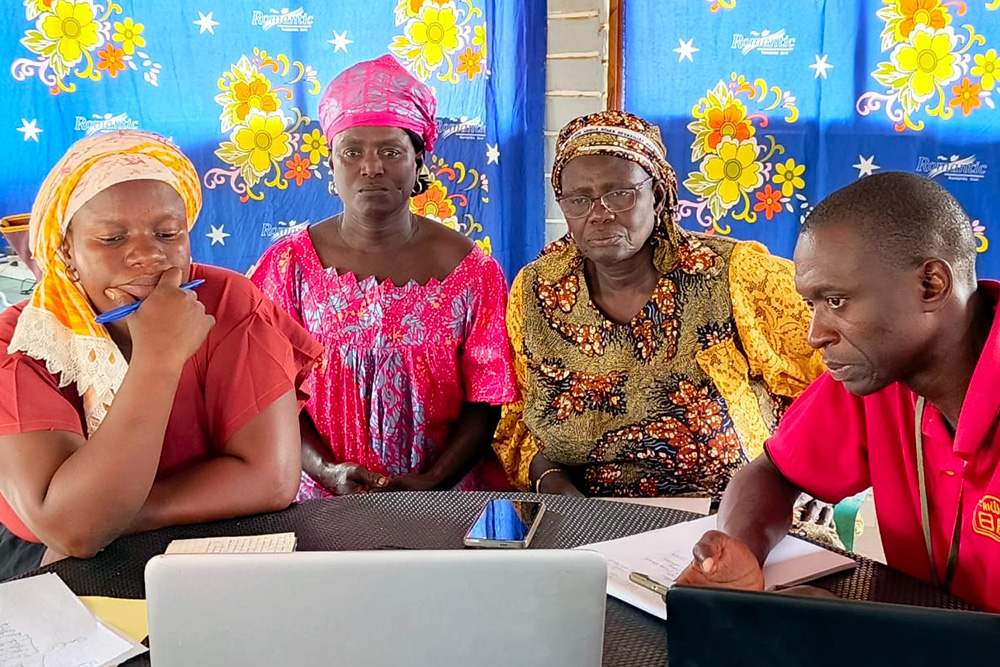
In many rural African households, the line between food and medicine is often invisible. Women farmers across Africa are leveraging indigenous crops not only as sources of nutrition but also as critical components of traditional medicine, according to findings from focus group discussions conducted under the Nutritional African Foods Initiative (NAFI).
Insights from participants in Burkina Faso, Senegal, Uganda, Zambia, and Zimbabwe reveal a deeply rooted system where food, health, and culture are closely intertwined, supporting household wellbeing and community resilience.
NAFI, led by the African Women’s Collaborative for Healthy Food Systems, promotes the consumption of nutrient-rich, climate-resilient African foods while strengthening women’s leadership in agroecology. The initiative focused on crops such as millet, cowpeas, amaranth, okra, Bambara nuts, sweet potatoes, pumpkin, bananas, mangoes, and local rice.
For Dorothy Mugala, a smallholder farmer in Zambia, healing often begins in the field rather than the clinic. She reported that: “We grow Bambara nuts, pumpkins and sweet-potatoes both for food and healing.”
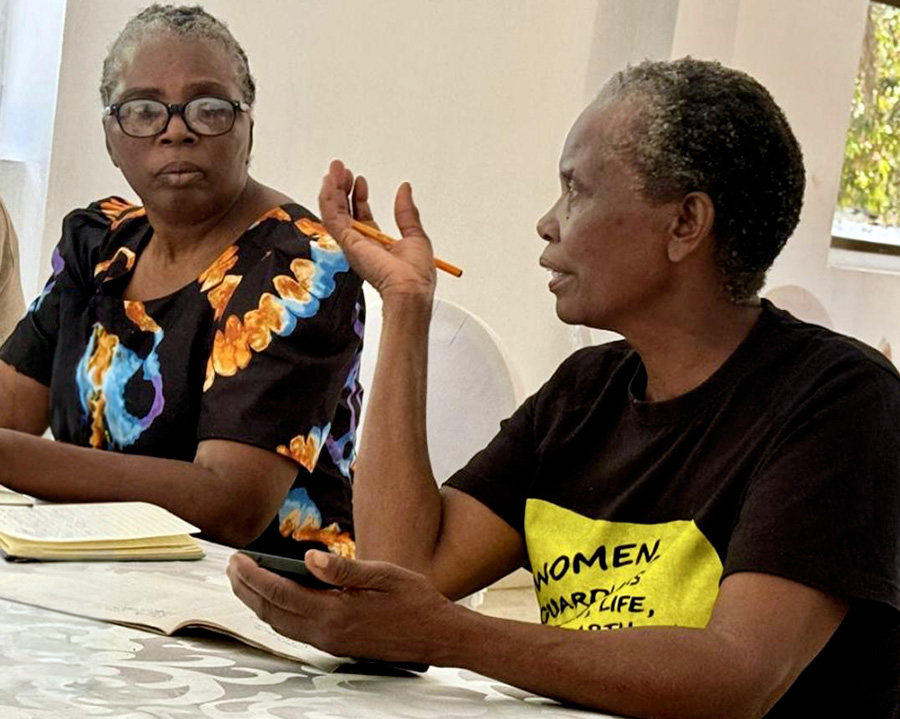
According to Mugala, her community has long relied on sweet potato leaves—burnt into ash and mixed with salt—to treat mouth sores, throat infections, and inflammation. She explained that warmed leaves are pressed against the chest to ease pain, and that this knowledge has been passed down quietly from mother to daughter, long before it was ever written down.
Mugala’s experiences were echoed by other participants across the five countries. What stood out in the discussions was not just what they grow, but how they use it. Across communities, food is described as more than nourishment—it is treatment, prevention, and survival.
In Uganda, Florence Nakiwala revealed that Bambara nuts aid in digestion and improve eye health. She reported that: “Bambara nuts are good for digestion and also help with eye health. We always keep them in the house.” she reported, highlighting a living healthcare system rooted in everyday foods.
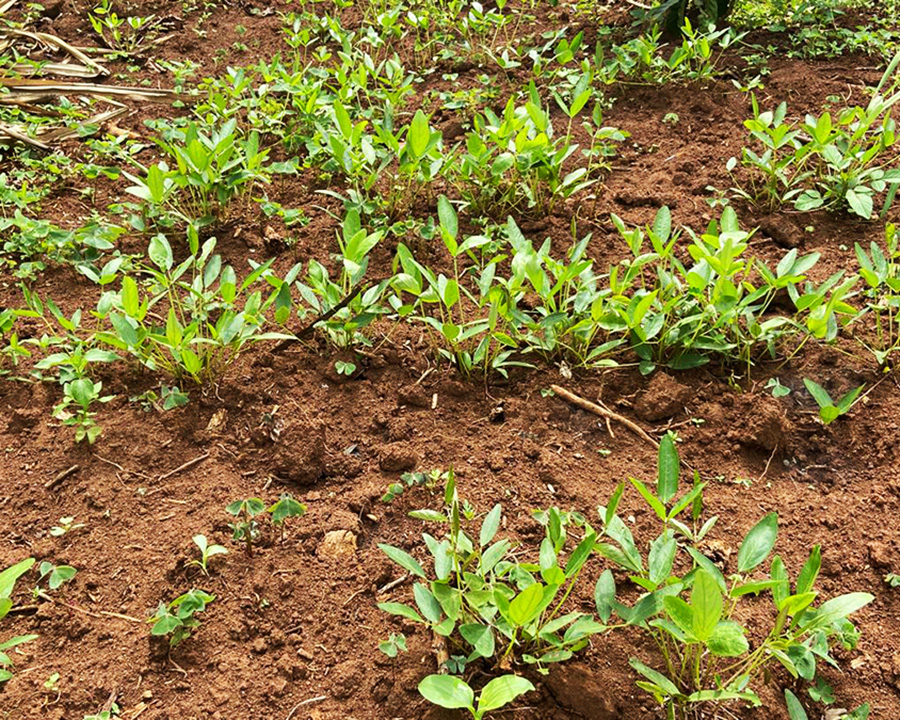
Participants from the five African countries described how crops like pumpkin, mango, and millet move seamlessly from plate to remedy. Respondents reported that mango leaves are boiled to manage diabetes and respiratory illnesses, while pumpkin seeds are used to support heart health, and pumpkin leaves are prepared to boost immunity and ease childbirth.
In Zambia, respondents explained that the banana plant serves multiple medicinal purposes. Roots are used to treat tonsillitis, dried peels help heal wounds, and trunk fluids are believed to regulate blood sugar. Some participants noted that the flower—deep red and often overlooked—is valued as a blood booster.
Cowpeas and Bambara nuts were also described as carrying healing properties. Participants reported that crushed cowpea seeds are applied to boils to speed up healing, while Bambara nuts are used to manage conditions such as hernia.
In Senegal, women revealed that rice porridge is used to calm digestive disorders, while cowpeas are recommended for postnatal recovery due to their iron content. Okra is used to manage blood sugar, aid digestion, and support respiratory health. Peach mango, especially during the lean season, is valued for both sustenance and treating infections and wounds.
Similarly, participants in Burkina Faso reported that okra soothes stomach upsets, amaranth is used to boost blood levels and immunity, and sweet potato leaves are brewed into teas to manage high blood pressure. In Zimbabwe, respondents described millet-based remedies to manage diarrhoea, ulcers, and other gastrointestinal conditions, as well as external applications such as roasted legume mixtures for skin conditions and banana-derived preparations for wound care.
It was revealed that Bambara nuts are used in birth control and rainfall ritualals. Susan Nakate said that: “At weddings, we always serve Bambara nuts and bananas. It symbolizes prosperity and fertility in our community.”
Christine Nabwami said that: “Pumpkin is not just for eating; its seeds help keep our hearts healthy. The tendrils are also a nutritious green.”
It was also revealed that banana skins and stem water treat wounds, hypertension, and prostate conditions. She said: “We grew up being taught about the healing properties found in the crops,” Vongai Dube said.
What united these practices, respondents emphasized, is trust built over generations rather than formal training.
More than Food on the Table
Despite the medicinal role, participants explained that these crops remain central to daily diets. In Zambia, Theresa Mutaka revealed: “The house should never lack pumpkin seeds.”
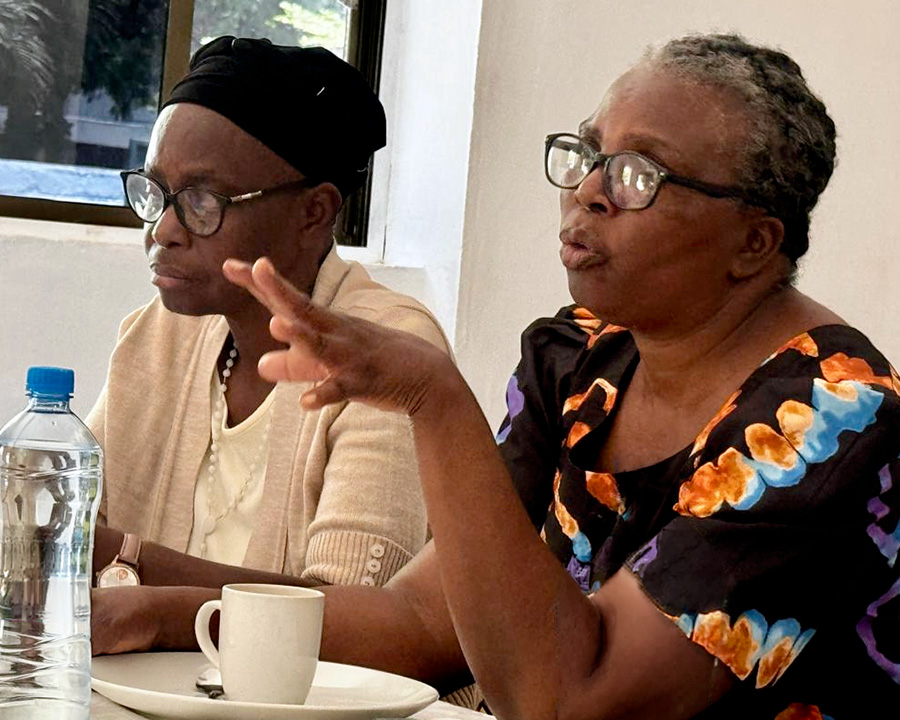
She reported that these foods are roasted, shared, and valued not just for taste, but for their role in supporting health, strength, and continuity. Across the five countries, millet, sweet potatoes, cowpeas, and leafy vegetables form the backbone of household meals, providing energy, supporting child growth, and sustaining families through difficult seasons.
In Uganda, Joyce Nazziwa described sweet potatoes as a “complete food”—a crop that feeds both body and household, with roots providing energy and leaves providing nutrition. Participants emphasized that these crops are often grown using low-input, agroecological methods, making them accessible and resilient in the face of changing weather patterns.
Carrying Culture Forward
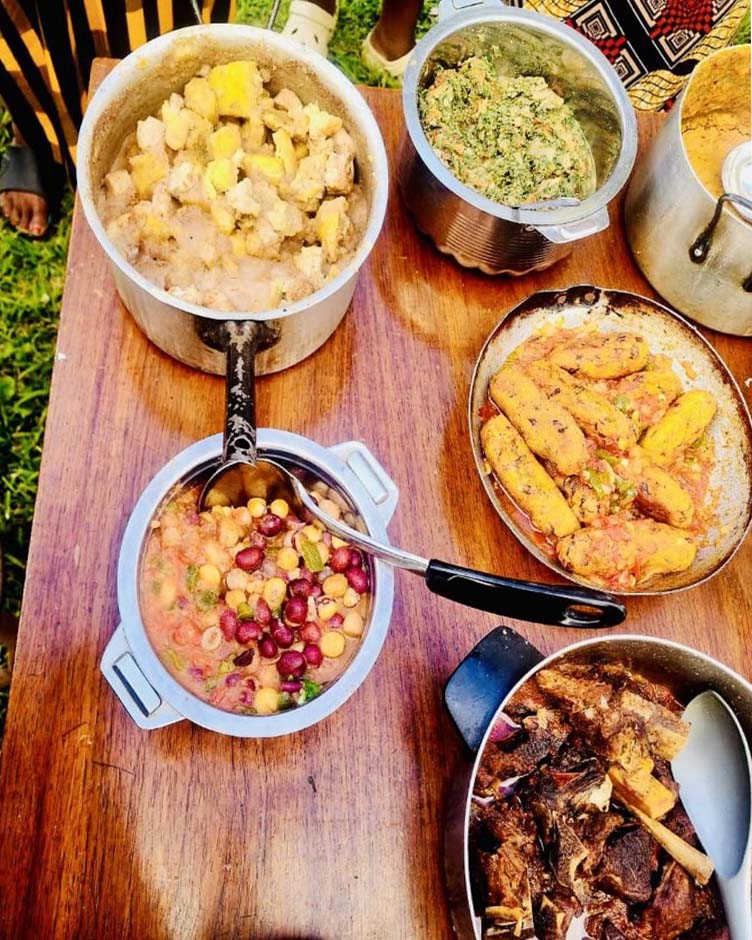
Respondents highlighted that food also carries cultural and symbolic value. Susan Nakate in Uganda explained: “At weddings, we always serve Bambara nuts and bananas. It symbolizes prosperity and fertility in our community.”
Participants across Zambia, Burkina Faso, and Senegal described how millet, cowpeas, and rice are prepared for weddings, funerals, and initiation ceremonies, while respondents in Zimbabwe explained that traditional foods are essential to rainmaking rituals and ancestral gatherings. Preparation methods, they noted, preserve not just taste but heritage.
An Overlooked System with Growing Relevance
According to them, this knowledge represents a powerful yet often overlooked system in which agriculture, nutrition, and healthcare are deeply interconnected. At a time of rising food insecurity, malnutrition, and limited access to healthcare, respondents emphasized that indigenous food systems offer practical, locally adapted solutions.
Much of this knowledge remains undocumented. Farmers like Mugala continue to rely on practices they trust, while advocating for greater understanding. Participants suggested that bridging traditional knowledge with scientific research could validate these remedies and support responsible scaling.
Looking Ahead
For now, participants reported, the work continues quietly in fields, kitchens, and communities. Women plant, harvest, cook, and heal—often without recognition, but with undeniable impact. Their collective message is clear: some of today’s most pressing food and health challenges may already have answers rooted in the crops they have grown all along.