Access to land remains a major challenge for women farmers across Africa, with ownership on paper often failing to translate into real control on the ground.
Findings from focus group discussions under the Nutritional African Foods Initiative (NAFI) implemented by the African Women’s Collaborative for Healthy Foods System reveal that women in Burkina Faso, Senegal, Uganda, Zambia, and Zimbabwe continue to navigate a complex mix of legal, cultural, and economic barriers that shape how they use and benefit from land.
While legal frameworks in some countries support women’s land rights, participants reported that decision-making power is frequently influenced by family structures and traditional norms.
In Burkina Faso, women farmers indicated that legal ownership does not always guarantee autonomy. Soulama Tiechinsinien, a landowner, noted that despite holding legal rights, she cannot independently decide what to plant without consulting her husband’s family.
Similarly, Ouattara Sounougou reported that household dynamics limit her ability to make farming decisions, even on land she legally owns. Participants also highlighted reliance on communal land systems, where decisions are often made collectively.
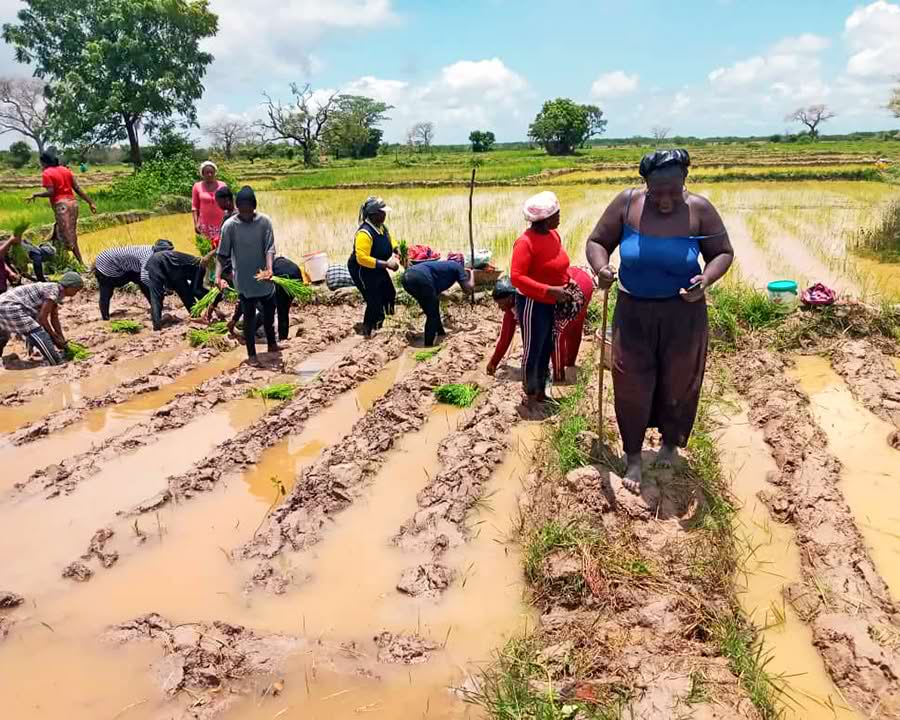
In contrast, findings from Senegal suggest greater autonomy among women farmers. Aïssatou Mballo reported having full control over her land, including the freedom to decide what and when to plant.
Mariatou Djiba shared a similar experience, noting that she independently manages her crop choices. Even women without formal ownership described exercising decision-making power through family arrangements. Aïda Mandiang explained that although the land belongs to her maternal family, she decides what to plant without seeking permission.
However, this level of autonomy is not consistent across the region.
In Uganda, participants reported that cultural expectations continue to limit women’s control over land. Hawa Ndagire, who holds a long-term lease, indicated that she still consults her husband’s family on farming decisions.
Daisy Nakirabira, who farms on her husband’s family land, stated that she must seek permission before planting, while Joyce Nazziwa described a shared decision-making approach within her household.
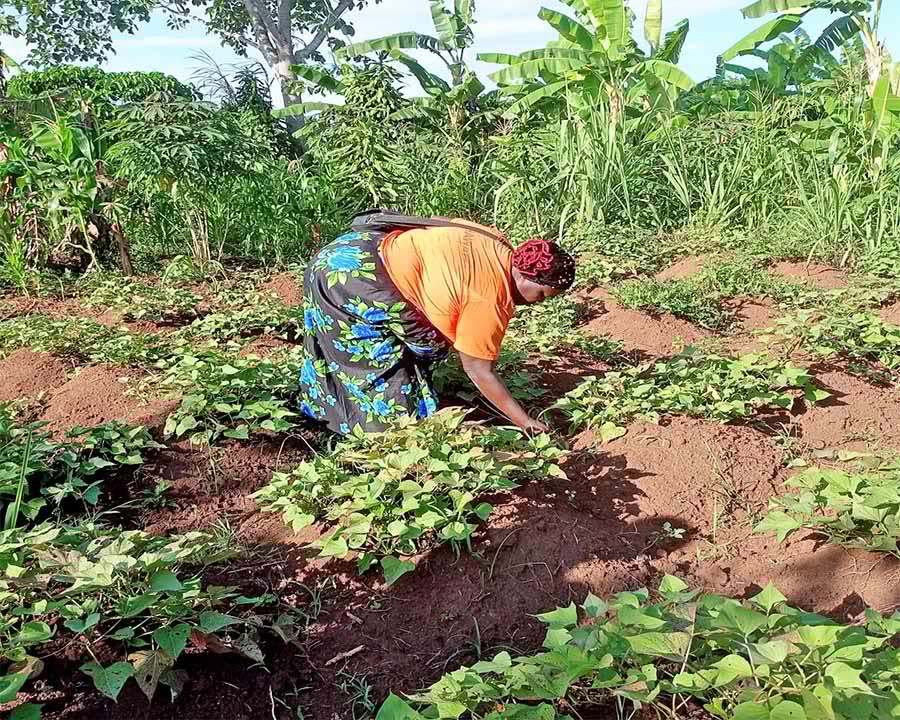
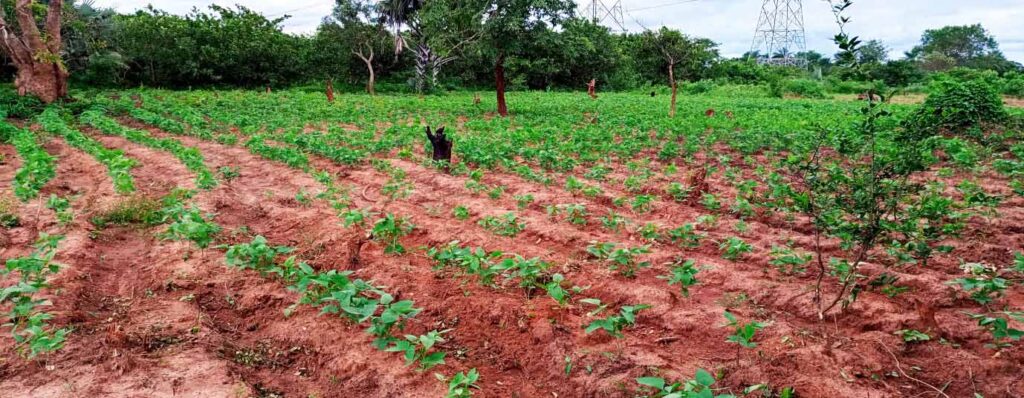
In Zambia, women’s experiences varied widely depending on tenure arrangements. Janet Chongo, a widow with a title deed, reported full ownership and control, enabling her to diversify production and generate income.
In contrast, Dorothy Mugala indicated that the absence of formal land documentation limits her ability to make long-term farming decisions. Theresa Mutaka, who co-owns land with her husband, described joint decision-making and noted the high cost of securing land titles.
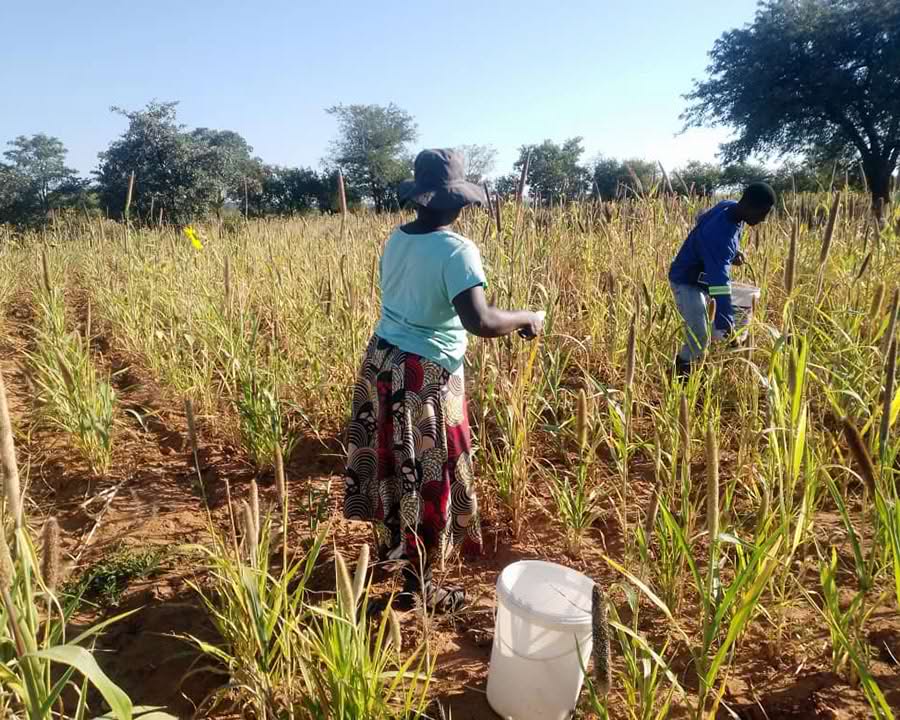
In Zimbabwe, participants reported having access to land primarily through their husbands, with limited independent control. Even in cases where women held leases, decision-making was often shared or influenced by family expectations.
Across all five countries, participants emphasized that land ownership alone does not guarantee control. Instead, practical authority over land use is shaped by household dynamics, cultural norms, and access to legal documentation.
“Even when the land is ours on paper, we still have to navigate traditions and family expectations,” one participant observed.
The findings highlight the need for a more holistic approach to women’s land rights—one that goes beyond legal ownership to address social and cultural barriers.
Participants pointed to the importance of simplifying land registration processes, strengthening awareness of land rights, and supporting women’s participation in decision-making at the household and community levels.
As African countries work to improve food security and rural livelihoods, empowering women farmers remains critical. Ensuring that women not only own land but also control how it is used could significantly enhance agricultural productivity and household resilience.